As we move deeper into 2026, UK homeowners are becoming increasingly aware of how much heat their homes lose — and how expensive that wasted energy has become. With energy prices still unpredictable and older housing stock dominating areas like Ipswich, Suffolk and North Essex, insulation installation has shifted from a “nice upgrade” to an essential part of maintaining a warm, efficient home.
This guide answers the questions homeowners are searching for in 2026 about heat loss, insulation, energy efficiency and the best ways to improve comfort without overspending.
Why Are UK Homes Losing So Much Heat in 2026?
The UK has some of the oldest housing stock in Europe.
That means:
- Poor insulation
- Solid brick walls
- Suspended timber floors
- Uninsulated lofts
- Draughty windows
- Cold external walls
In towns like Ipswich, Woodbridge, Felixstowe, Stowmarket, Bury St Edmunds and Colchester, many homes were built long before insulation was standard. Even newer homes often fall short of modern efficiency expectations.
The result?
Homes that are expensive to heat and slow to warm up — especially during colder months.
Where Does Heat Escape From the Home? (2026 Data)
Even in 2026, the breakdown hasn’t changed much:
- 25% through the roof
- 35% through walls
- 15% through floors
- 10% through windows
- 15% through gaps and draughts
This is why insulation installation remains the most effective way to reduce heat loss and improve comfort.
The Most Effective Insulation Upgrades for 2026
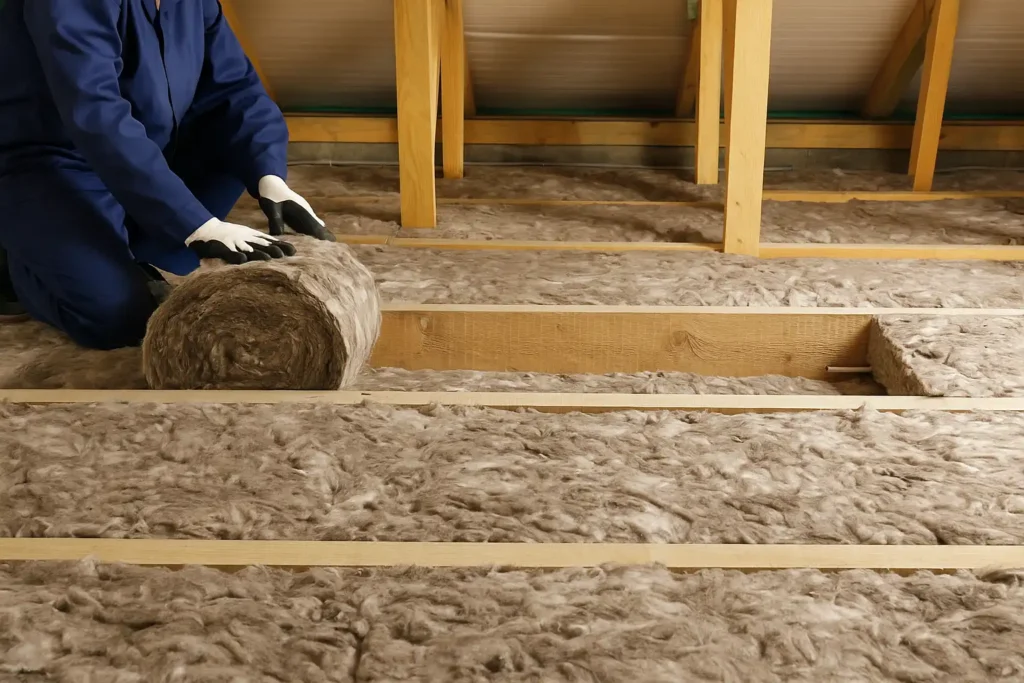
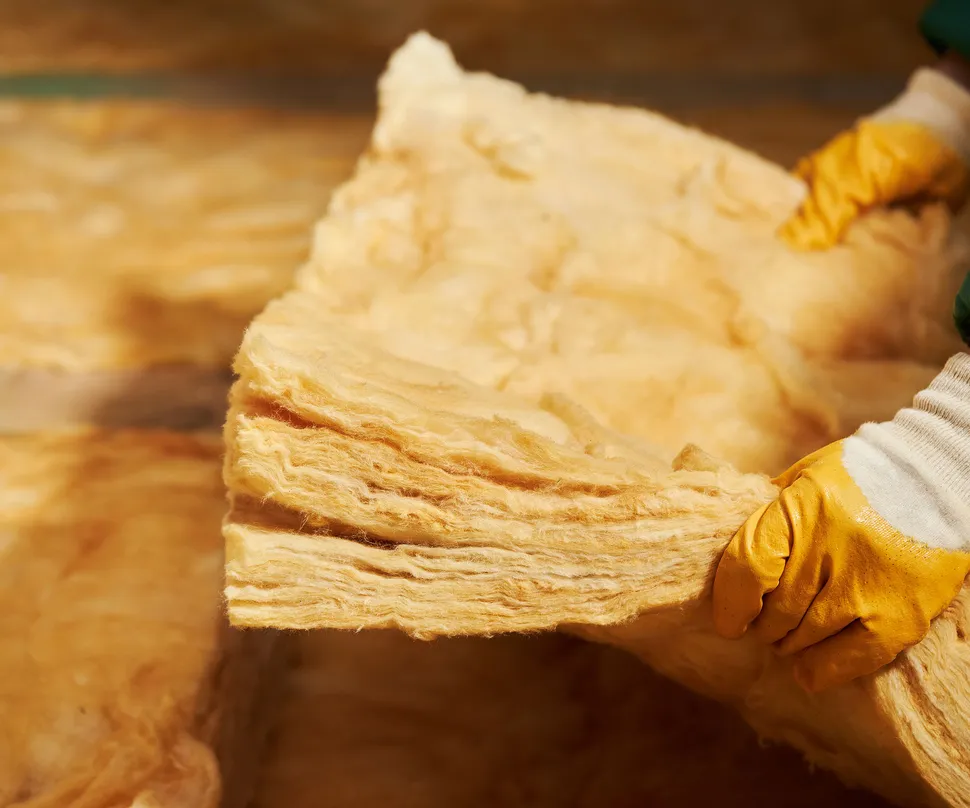
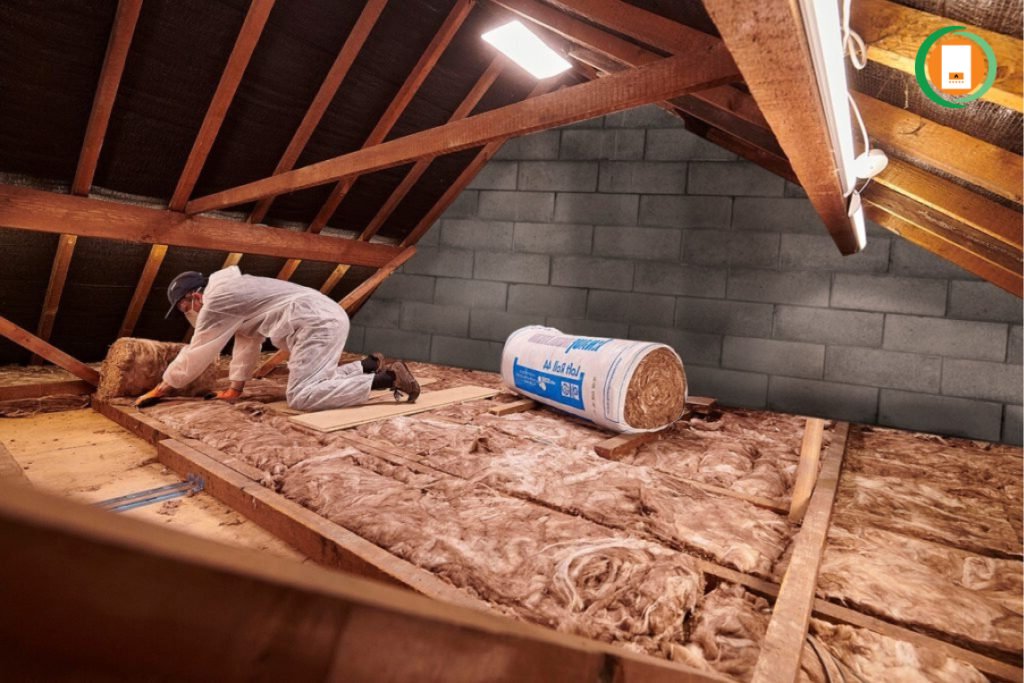
1. Loft Insulation Installation
Still the fastest and most cost‑effective upgrade.
Stops up to a quarter of your heat from escaping.
2. Internal Wall Insulation
Perfect for solid‑wall homes or cold rooms.
Ideal for Victorian terraces and older Suffolk properties.
3. External Wall Insulation
Adds a protective, insulated layer to the outside of your home.
Great for coastal areas like Felixstowe and Aldeburgh.
4. Floor Insulation Installation
Eliminates cold floors and draughts from suspended timber floors.
Common in Ipswich, Stowmarket, Bury St Edmunds and Colchester.
5. Damp‑Proofing
Protects your home from moisture, mould and structural issues.
Essential for older homes and properties with poor ventilation.
How Much Can You Save With Insulation in 2026?
With energy prices still high, insulation remains one of the best ways to reduce heating costs.
Most homeowners see:
- 20–40% lower heating bills
- Warmer rooms
- Fewer cold spots
- Better EPC ratings
- Less condensation and damp
Insulation is one of the few home improvements that pays for itself — often within 2–5 years.
Is Insulation Worth It for Older Homes in 2026?
Yes — older homes benefit the most.
Many properties in Ipswich, Colchester, Sudbury, Manningtree and surrounding villages have:
- Solid walls
- Timber floors
- No original insulation
- Cold rooms
- High heat loss
Modern insulation can be installed without damaging character features, and the improvement in comfort is immediate.
How Long Does Insulation Installation Take in 2026?
Most installations are quick and minimally disruptive:
- Loft insulation: 2–4 hours
- Internal wall insulation: 1–2 days
- External wall insulation: 3–7 days
- Floor insulation: 1 day
- Damp‑proofing: varies
You don’t need to move out or prepare your home extensively.
Final Thoughts: Insulation Is the Smartest Home Upgrade of 2026
If you want a warmer home, lower energy bills and better long‑term value, insulation installation is the most effective upgrade available in 2026.
KDS Insulation provides:
- Loft insulation installation
- Internal wall insulation
- External wall insulation
- Floor insulation installation
- External wall coatings
- Damp‑proofing
We cover Ipswich, Suffolk and North Essex — including Woodbridge, Felixstowe, Stowmarket, Bury St Edmunds, Sudbury, Colchester, Manningtree and all surrounding villages.